top of page

Pulmonary Procedures
Balloon Pulmonary Angioplasty

Balloon pulmonary angioplasty (BPA) is a minimally invasive procedure used to treat chronic thromboembolic pulmonary hypertension (CTEPH), a condition in which chronic blood clots obstruct the arteries of the lungs, causing shortness of breath, elevated blood pressure and strain on the heart.
Using imaging guidance, a catheter is inserted through a vein in the groin and small balloons are inflated within the narrowed or blocked pulmonary arteries to restore blood flow. By improving blood flow through the lungs, BPA can significantly reduce pulmonary artery pressure, improve heart function and relieve breathlessness. Treatment is usually performed over several sessions to progressively restore blood flow.
Due to the complexity of CTEPH, multidisciplinary team approach is imperative. In addition to interventional radiology, the team includes pulmonary hypertension physicians, cardiothoracic surgery and cardiologists.
Benefits include:
-
Improved blood flow through obstructed pulmonary arteries
-
Reduction in pulmonary artery pressure and strain on the heart
-
Relief of breathlessness and fatigue
-
Improved quality of life
-
Effective for patients who are unsuitable for or have persistent symptoms following pulmonary endarterectomy surgery
-
Minimally invasive procedure without open surgery
Bronchial Artery Embolisation
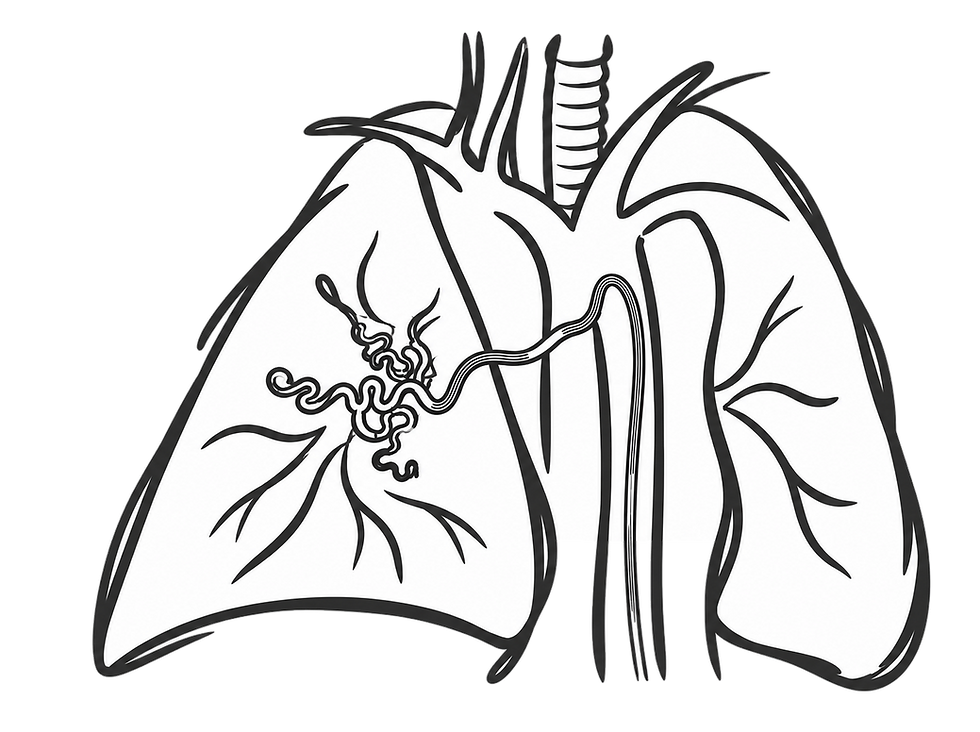
Bronchial artery embolisation (BAE) is a minimally invasive procedure used to treat coughing up blood (haemoptysis) caused by abnormal or enlarged blood vessels supplying the lungs (bronchial ectasia). Causes of bronchial ectasia include lung infections, tuberculosis, fungal infections and lung cancer. BAE is often preferred to open surgery in these patients, due to their poor lung function and high mortality risk .
Using imaging guidance, a thin catheter is inserted through an artery in the groin or wrist and advanced into the abnormal blood vessels supplying the affected area of the lung. Tiny particles or other embolic materials are then used to block these vessels and stop the bleeding.
It can be performed urgently for severe bleeding or electively for recurrent haemoptysis. Although bleeding may recur, particularly if the underlying lung disease persists, repeat embolisation is often effective.
Benefits include:
-
Rapid and potentially life-saving control of bleeding from the lungs
-
Reduced risk of recurrent haemoptysis
-
Treatment of abnormal blood vessels without surgical removal of lung tissue
-
Effective treatment for patients with chronic lung disease or increased surgical risk
-
Can be repeated if bleeding recurs
Pulmonary AVM Embolisation

Pulmonary arteriovenous malformation (AVM) embolisation is a minimally invasive procedure used to treat abnormal connections between arteries and veins within the lungs. These abnormal blood vessels allow blood to bypass the normal filtering function of the lungs, increasing the risk of serious complications, including stroke, brain abscess and bleeding into the lungs. Pulmonary AVMs may occur in isolation or in association with hereditary haemorrhagic telangiectasia (HHT).
Using imaging guidance, a thin catheter is inserted through a vein in the groin or neck and advanced into the pulmonary arteries. Small coils or vascular plugs are then used to permanently block blood flow through the abnormal vessels.
Treatment is often recommended even when patients have no symptoms, as potentially life-threatening complications can occur without warning. The procedure is usually performed under local anaesthesia with sedation, and long-term imaging follow-up is recommended to detect any recurrence or development of new AVMs.
Benefits include:
-
Reduced risk of stroke and other complications from blood clots bypassing the lungs
-
Reduced risk of brain abscess
-
Prevention of potentially life-threatening pulmonary bleeding
-
Improved blood oxygen levels in patients with significant right-to-left shunting
-
Effective treatment of pulmonary AVMs, including in patients with HHT
-
Preservation of healthy lung tissue without surgical removal
-
Minimally invasive treatment without open chest surgery
bottom of page